
06L'Abeille Angloye Qui RitDelivered
“the club's website ranks well but it's really old, could you give it an update?”
a beekeeping association, in Anglet
A site painted in layers, that the association runs itself.
A scene painted in three planes, a bee flying above it, a typeface drawn for a single title. And behind it all, a calendar the committee updates from its own inbox, with no password.
- From the first file to the site online
- 5 days
- What's left of it today
- The association publishes on its own, with no password
- Build
- 12 June to 1 July 2026
See the public mockup→ Design, code, launch and handover, solo
L'Abeille Angloye Qui Rit
L'abeille
d'Anglet
prend
son envol.
Entre transmission du savoir, communauté autour de l'apiculture et lutte contre le frelon asiatique, découvrez l'association.
Poser une question→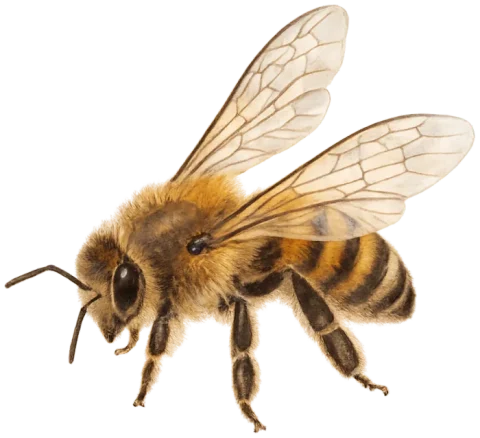
What the sentence meant
Search ranking was, for the association, the one asset not to break. Everything else could move, on one condition: that the people who run the association, amateur beekeepers, could go on using it without help.
Here is what was there before.
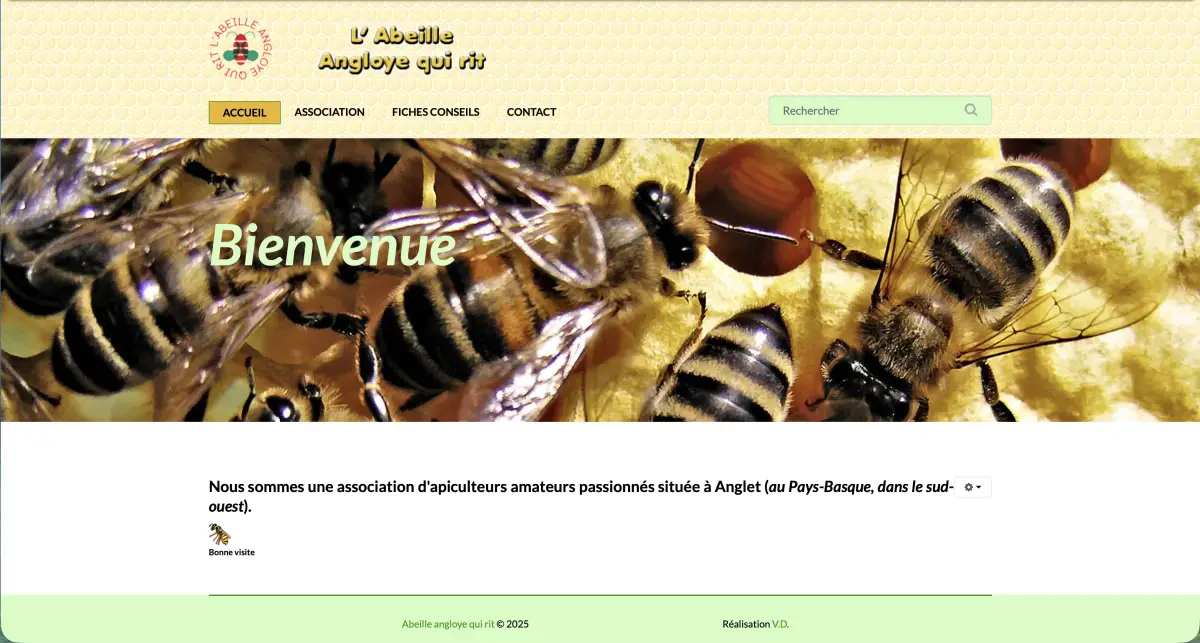
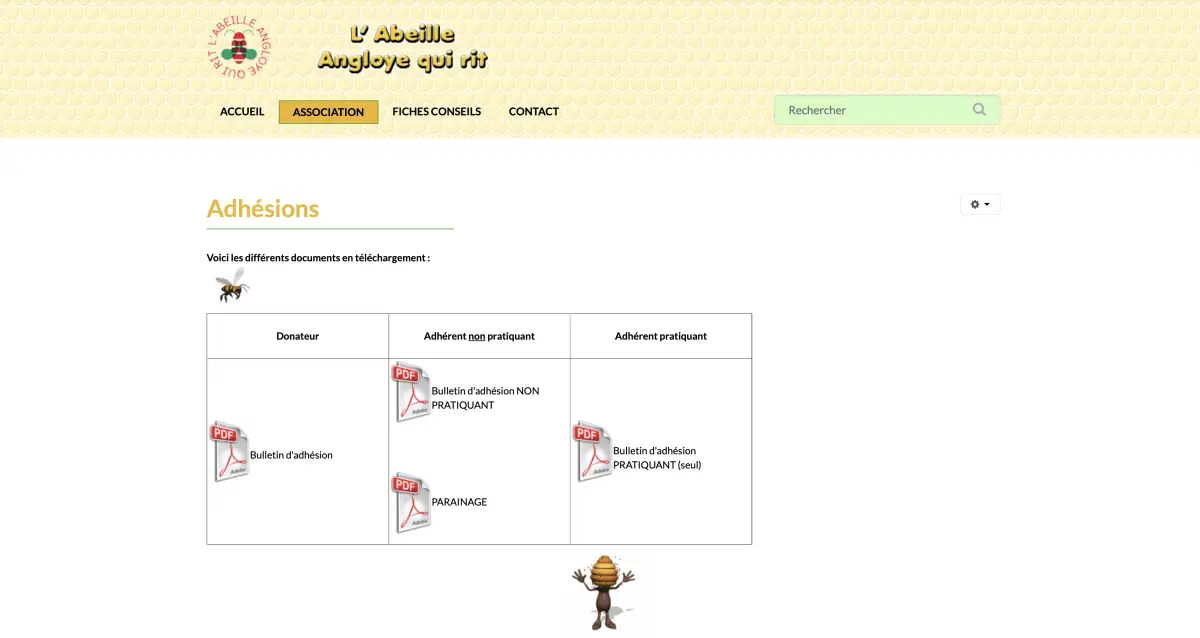
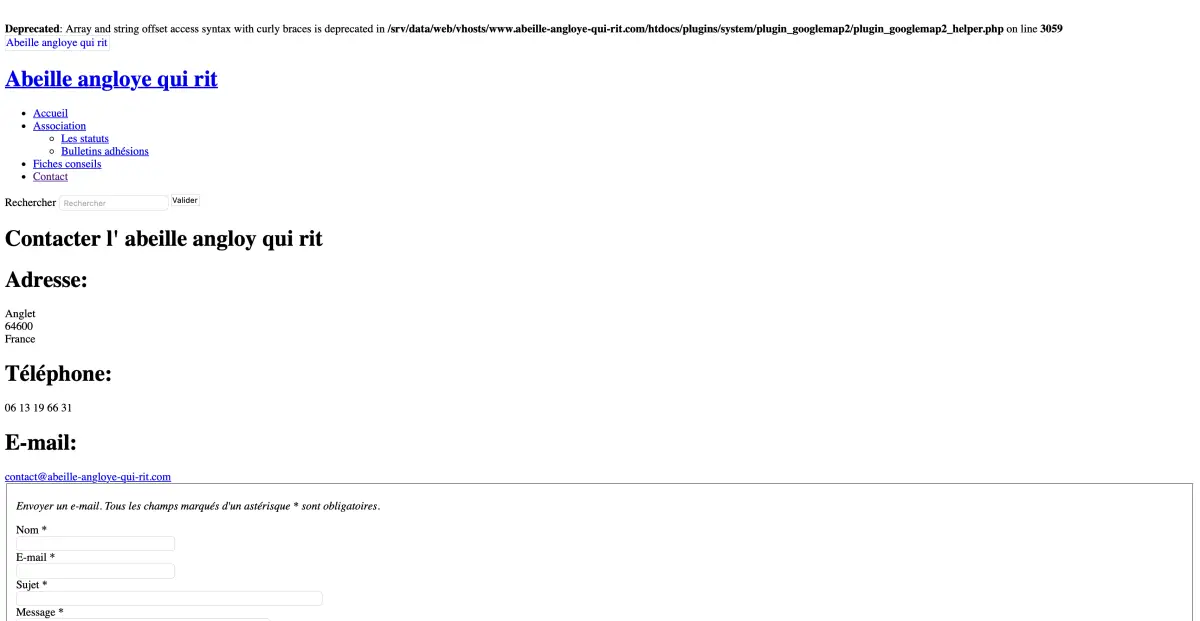
Joomla, a weather widget frozen in January 2019, a form behind a captcha. None of it was carried over.
What was built
Everything was built twice over, so they could choose
The association is a committee of amateur beekeepers. Asking them “which art direction do you prefer?” on paper would have got nowhere. So at every decision, instead of one proposal, I built two or three, complete and there to be looked at on a screen. They decided, and the green light opened two or three new branches underneath.
The nineteen days of the build are not nineteen days of code: they are the time it takes to walk down that tree, one decision after another.
A painted scene, cut into planes
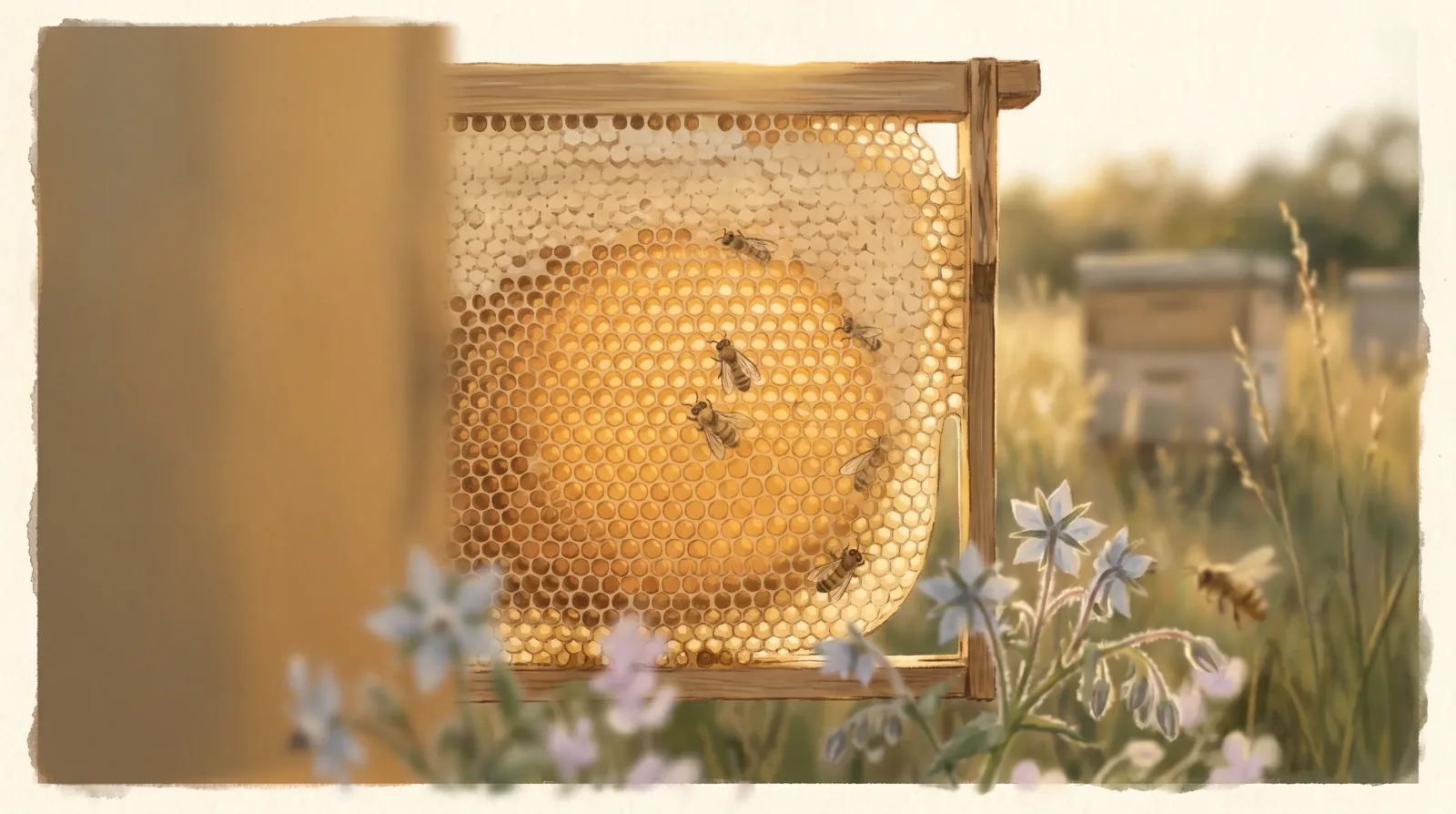
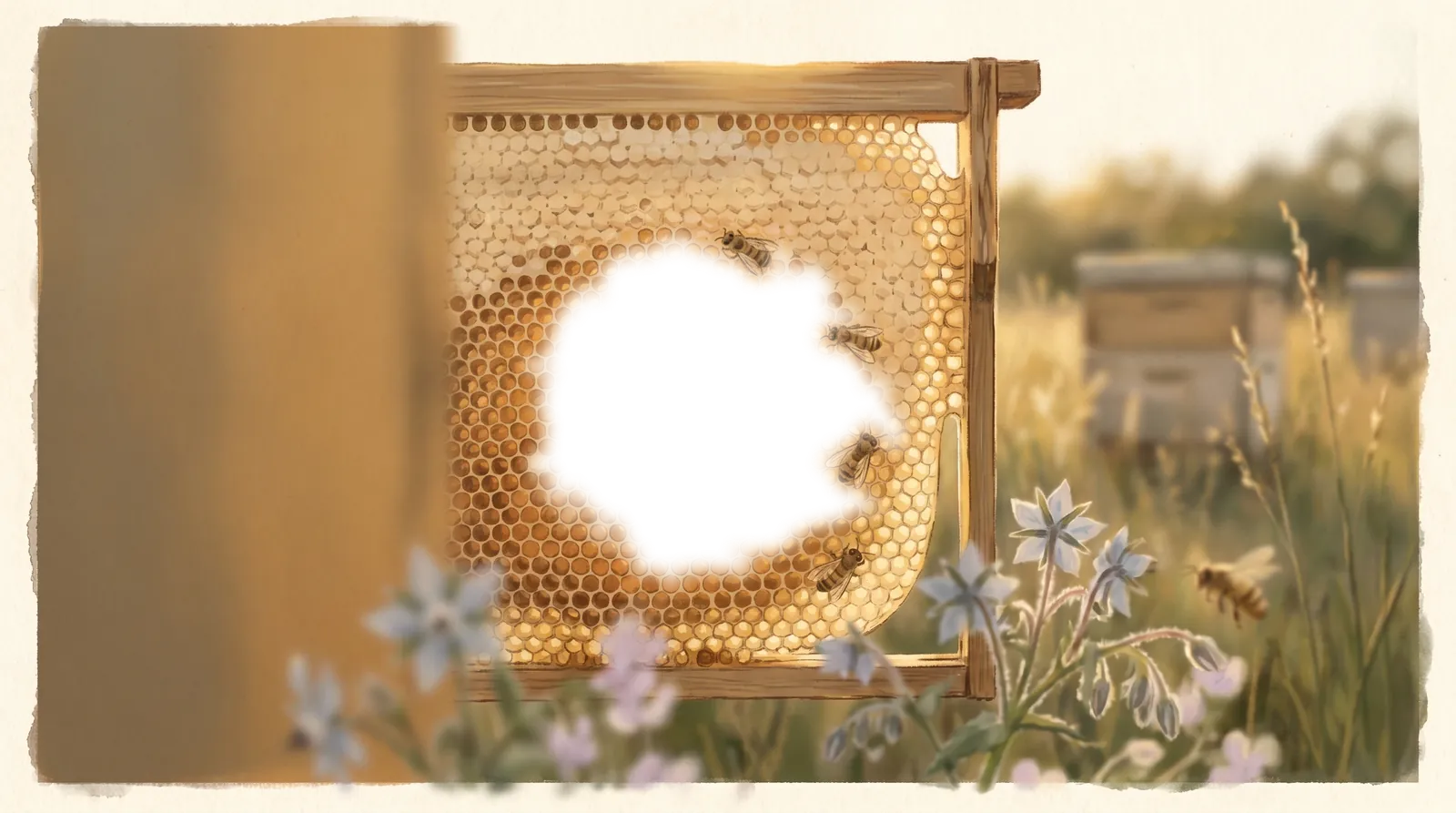
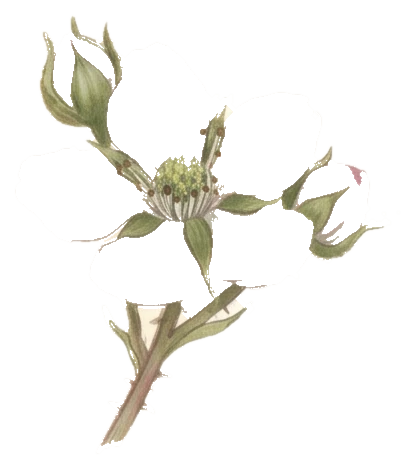
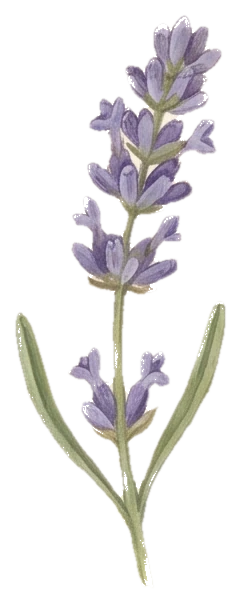
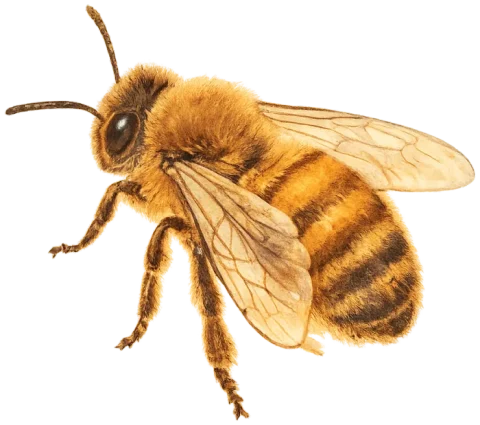
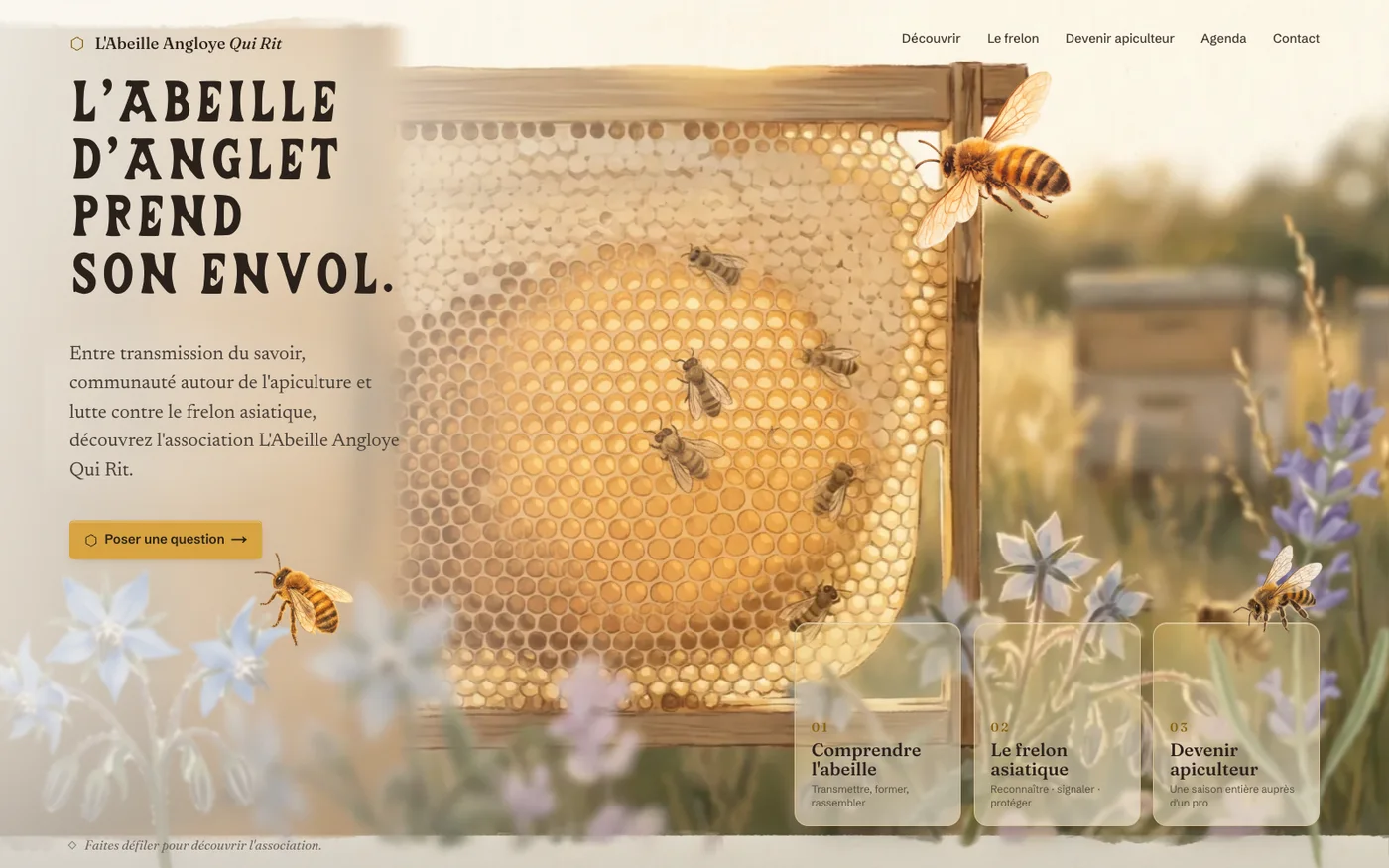
The hero is a hive frame held up against the light, its cells glowing through, a blurred meadow behind. Two images were generated under a single style contract (naturalist plate, gouache and watercolour, a palette of wax, sepia and meadow green, never a 3D render), then cut up locally: the master becomes a background and a pierced scene, the accents plate becomes cut-out flowers and bees. The offset between the layers is what makes the depth.
The hole was not cut out by hand. A small program looks for the light in the image, erases it, and softens the edge so that no cut shows: a halo has no outline. The bees had a pass of their own, one that keeps the line and makes the wings translucent. Glass wings, that sit on any background.
The two images are laid one on top of the other. The button pulls them apart.
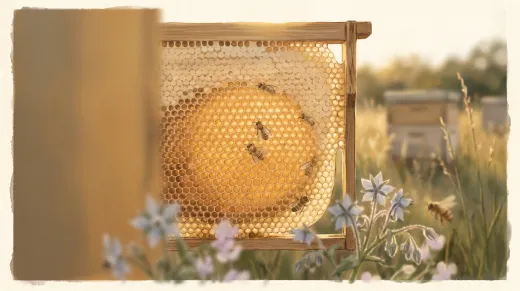 1 · arrière-plan
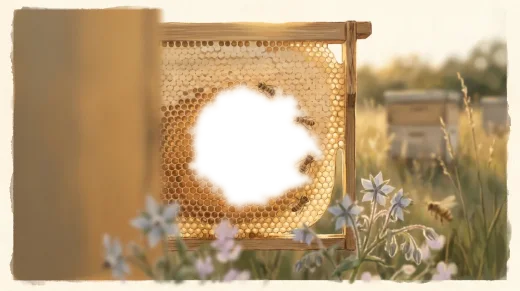 2 · scène trouée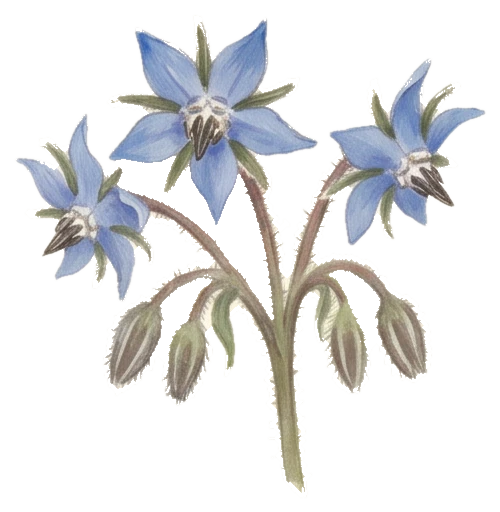
 3 · accents
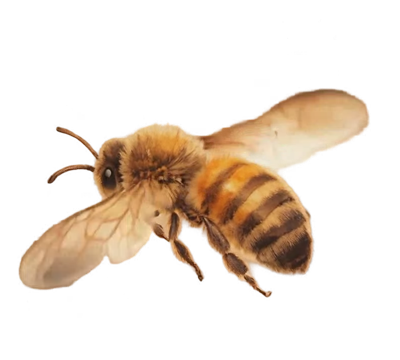 4 · abeille au fil
The pointer moves each plane at its own speed
A typeface drawn by hand, for this project alone
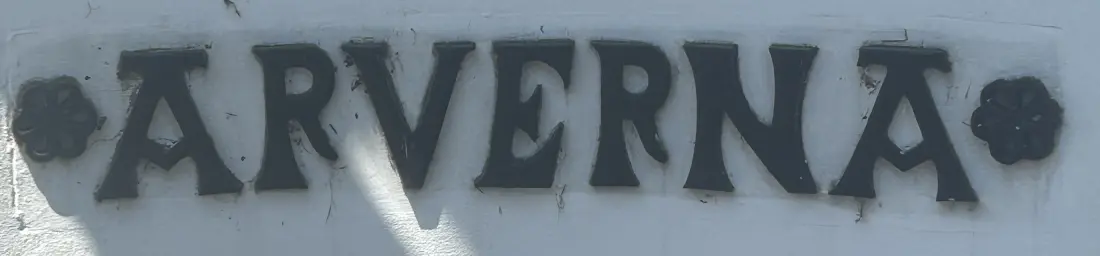
The site's title is set in a typeface that exists nowhere else: Arverna, drawn for this project from the name laid out in solid letters on the front of a Basque house. The letters of the sign were vectorised, the missing letters completed from a reference alphabet, and the whole assembled into a font of 80 glyphs: capitals only, figures, accented capitals, punctuation, a floral ornament on the middle dot. It weighs 16 KB, and it is what gives the site its identity, taken off a wall in the region.
L'abeille d'Anglet prend son envol.
ABCDEFGHIJKLM
NOPQRSTUVWXYZ
0123456789 ÀÂÇÉÈÊËÎÏÔÙÛ
·ARVERNA·
The middle dot draws the floral ornament from the sign.
- Arvernathe hero's title
- Frauncesthe wordmark, the headings, the cards, the giant signature in the footer
- Schibsted Groteskbody text, navigation, buttons, forms
- JetBrains Monolabels, dates, the arrows on buttons
The images, and what they are
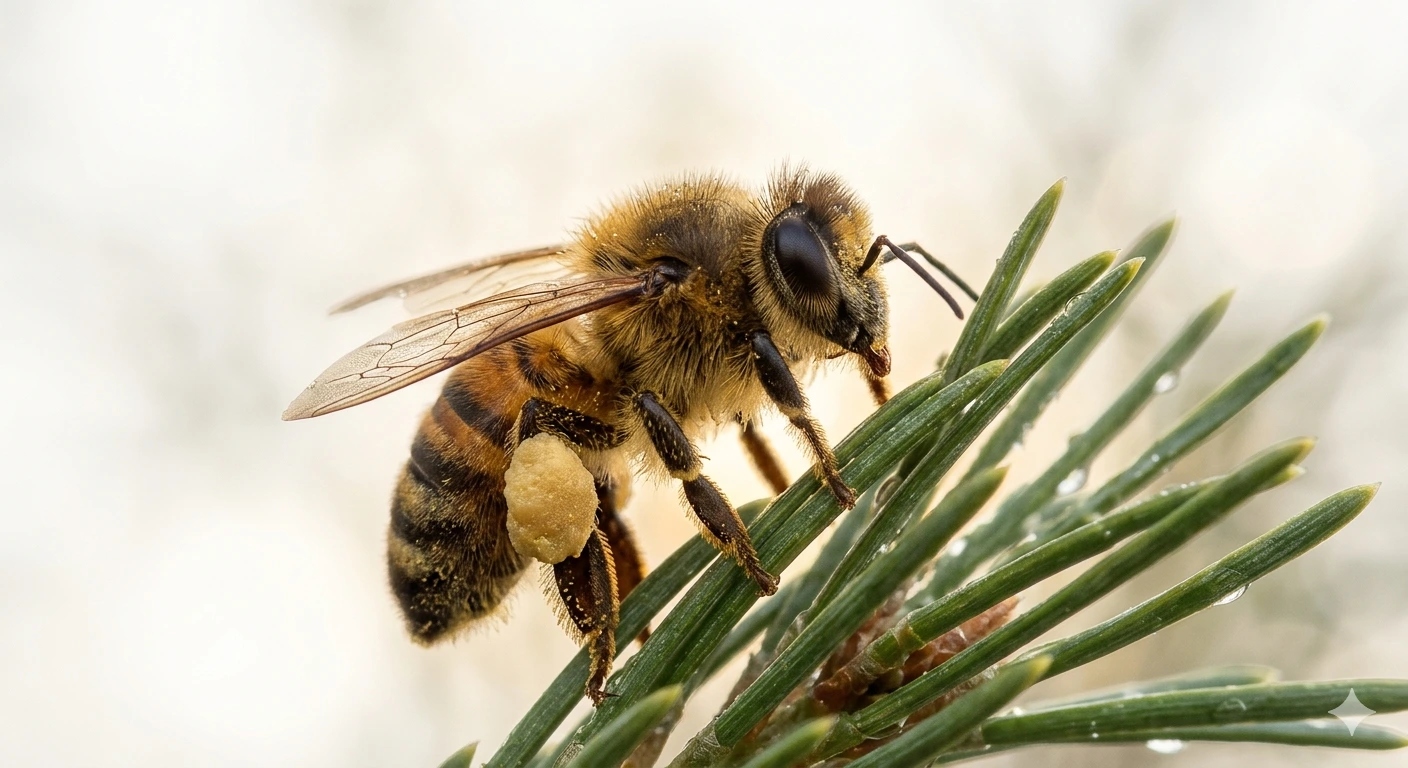
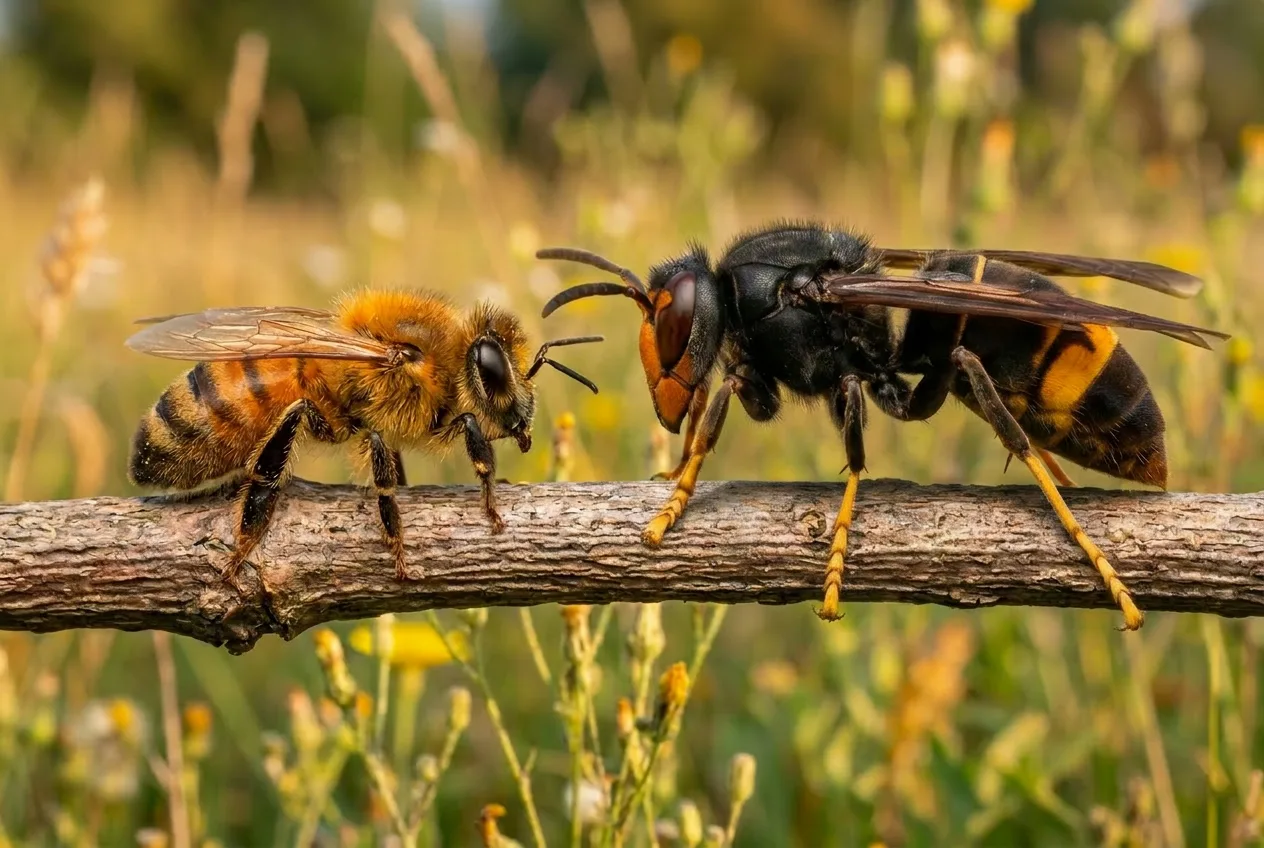
Not one image on the site is a photograph taken in the field. All of them are painted or generated under the same style contract, and the caption of each says so, on the site as here.
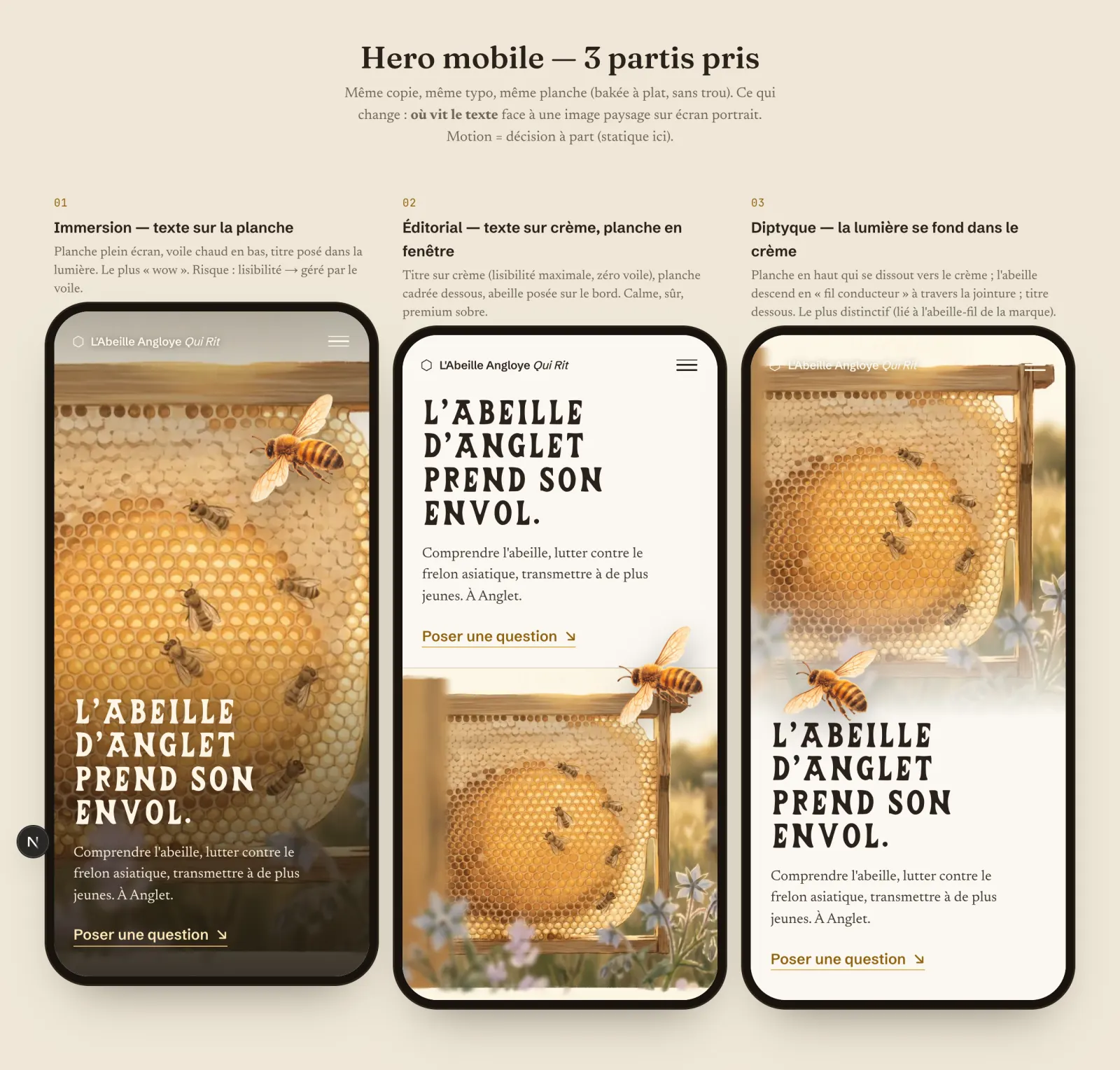
The phone, studied on its own
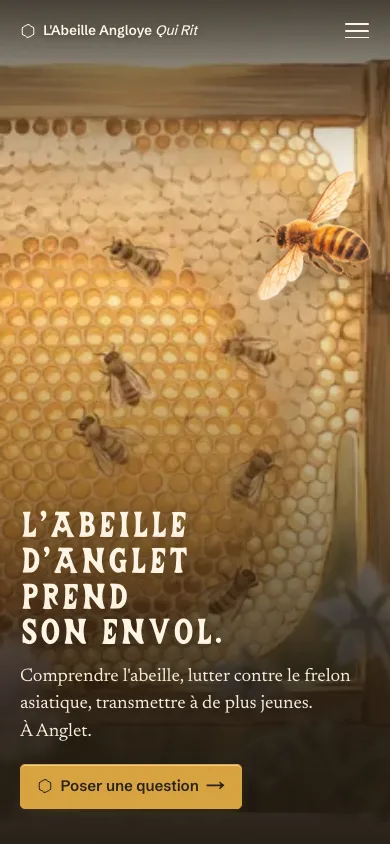
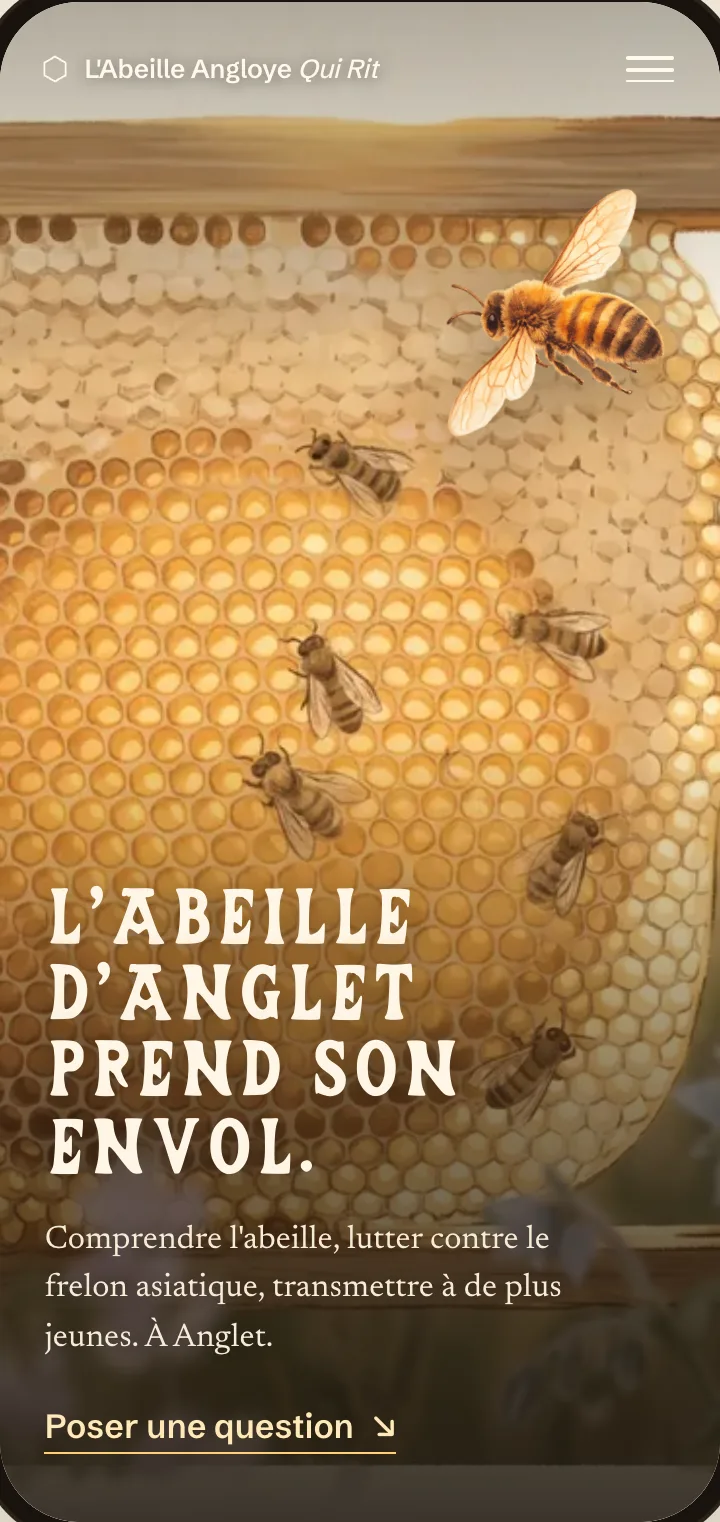
The plate is wide, the phone screen is tall: where do you put the text? Three compositions were mocked up, with the real type and the real copy. Immersion was the one kept: the plate full screen, a warm veil at the bottom for legibility, and a single flat image, lighter than the layers.
The site keeps itself up to date without a password
Somebody on the committee types in their email address and receives a link, valid for a quarter of an hour. The click opens the management space for eight hours. There is no password to remember or to lose, and taking an address off the list cuts its access on the spot.
When the committee saves the calendar, the site rewrites itself and puts itself back online on its own. Access rights and where the form's messages go travel the same road.
And the site reads itself back. On the 1st of each month at 8 am, it goes over its own content: information checked more than a year ago, legal notices left empty, events already past, links that lead nowhere any more. If it finds something, it says so, once, with the list. If it finds nothing, it keeps quiet. Nobody has to think about it: the site is the one keeping watch over itself.
What is coming next
- Articles. The committee already holds the calendar, the access rights and the messages; publishing articles is specified, ready to be built.
- Membership paid online. Today the request arrives through the form and the committee approves it. Payment will come and sit on that same circuit.
The result
“Ranks well but really old” became: 5 days from the first file to the site online, 19 days to the handover (the time it takes to walk down the tree of choices, two or three branches built at every level), and a booklet handed to the committee. The association has its hands on its own calendar, with no password.
- 12 June 2026First commit
111 files: five art directions built in full, so the association could decide on the evidence. The backlit hive wins.
- 17 June 2026Online
The chosen direction takes the root of the production address.
- 1 July 2026Handover
A PDF booklet handed to the committee: the management space, the domain, the public launch.